Why scent
Scent is the part of your brand people remember without trying.
Most brand work is visual. But long after a guest has forgotten the colour of the lobby, they will still recognise the fragrance. We help hotels, retailers and brand spaces use that — through scent marketing, ambient scenting and bespoke signature fragrances developed for the room they belong to.
This is our perspective on olfactory branding: where it comes from, why it works, and how to use it without falling into the clichés that have given scent marketing a bad name.
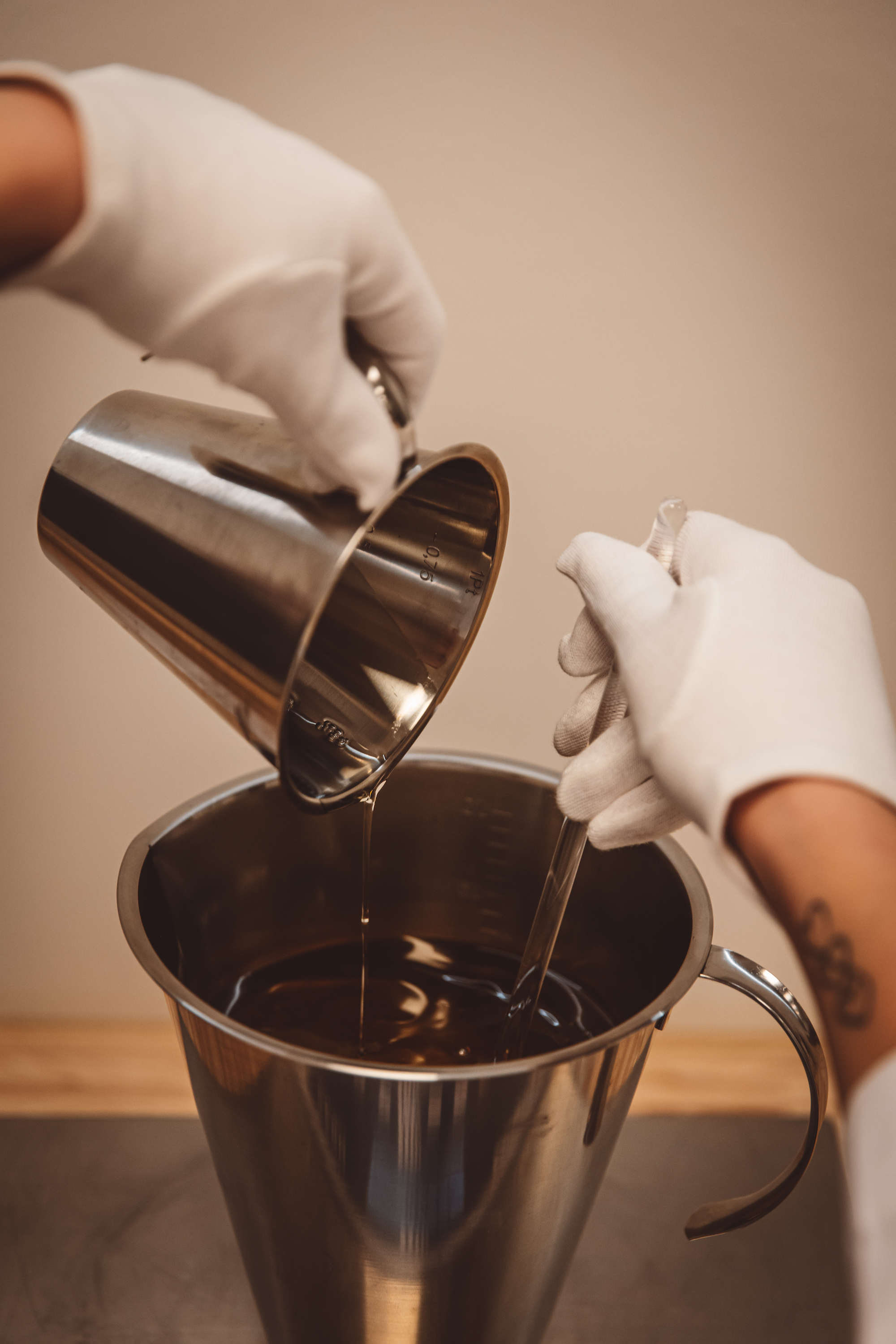
Beyond the marketing cliché.
Scent marketing is usually pitched as a behaviour-influence tool — diffuse fragrance X, sell Y percent more coffee. That framing is not wrong, but it is not the reason most of our clients call us. They call because their space already has an identity, and they want a fragrance that genuinely belongs to it.
For Nose and Partners, every fragrance project starts with the place, the people, the materials and the brand already in the room. The real question is not which scent to choose, but what the scent should belong to. Get that right and the commercial effects — recall, dwell time, perceived quality — follow on their own.
FAQ
Scent marketing, in plain terms.
The questions hotel groups, retailers and developers ask us most before starting a fragrance project.
What is scent marketing?
Scent marketing — also called olfactory marketing or geurmarketing — is the practice of using a custom fragrance to strengthen a brand, a space or a product experience. Done well, it is not about masking or perfuming a room. It is about developing a signature scent that fits the identity of the place and becomes part of how guests, customers and employees remember it.
How is scent marketing different from a regular air freshener?
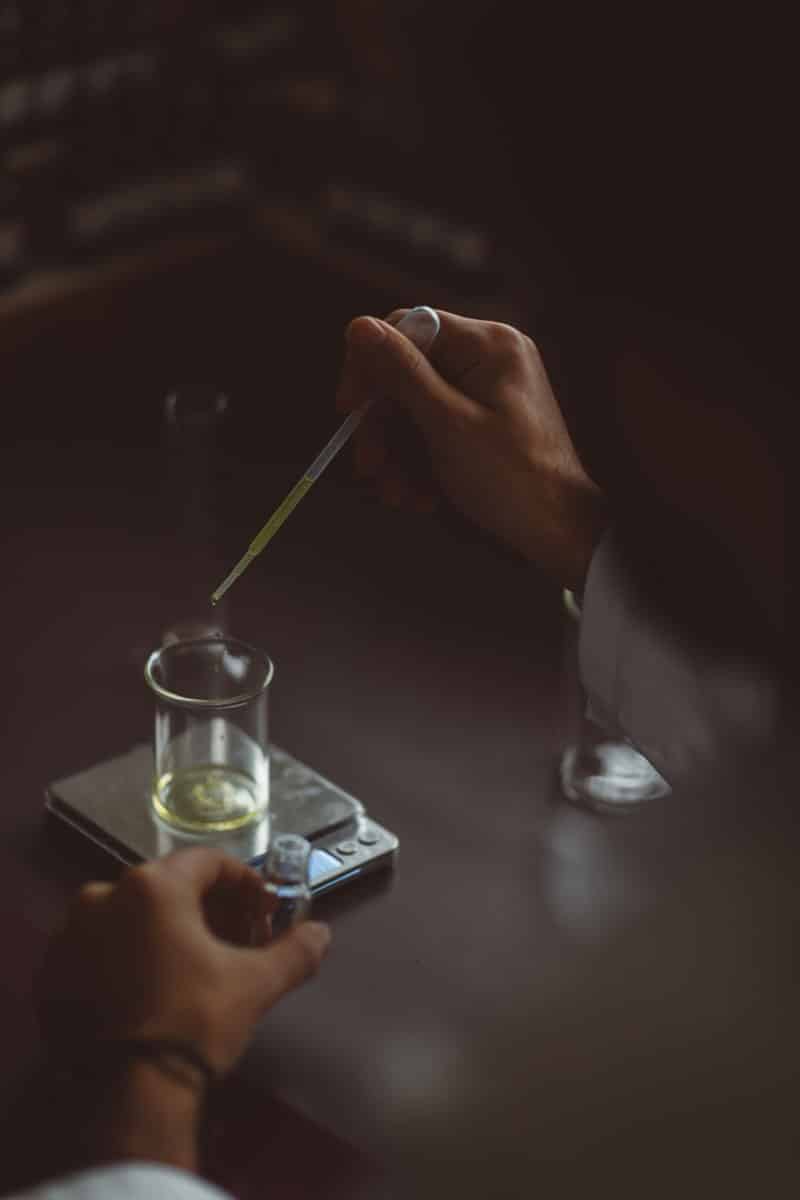
An air freshener tries to cover something up with a generic perfume. A scent marketing programme starts from the brand and the space: we develop a bespoke fragrance, choose the right diffusion technology and tune the intensity so the scent feels native to the environment rather than added on top.
Does ambient scenting actually influence behaviour?
Independent research in retail, hospitality and real estate consistently shows that a well-matched ambient scent increases dwell time, perceived quality and brand recall. The effect is strongest when the fragrance is developed for the specific brand and space — not pulled from a generic catalogue.
Which industries benefit most from scent branding?
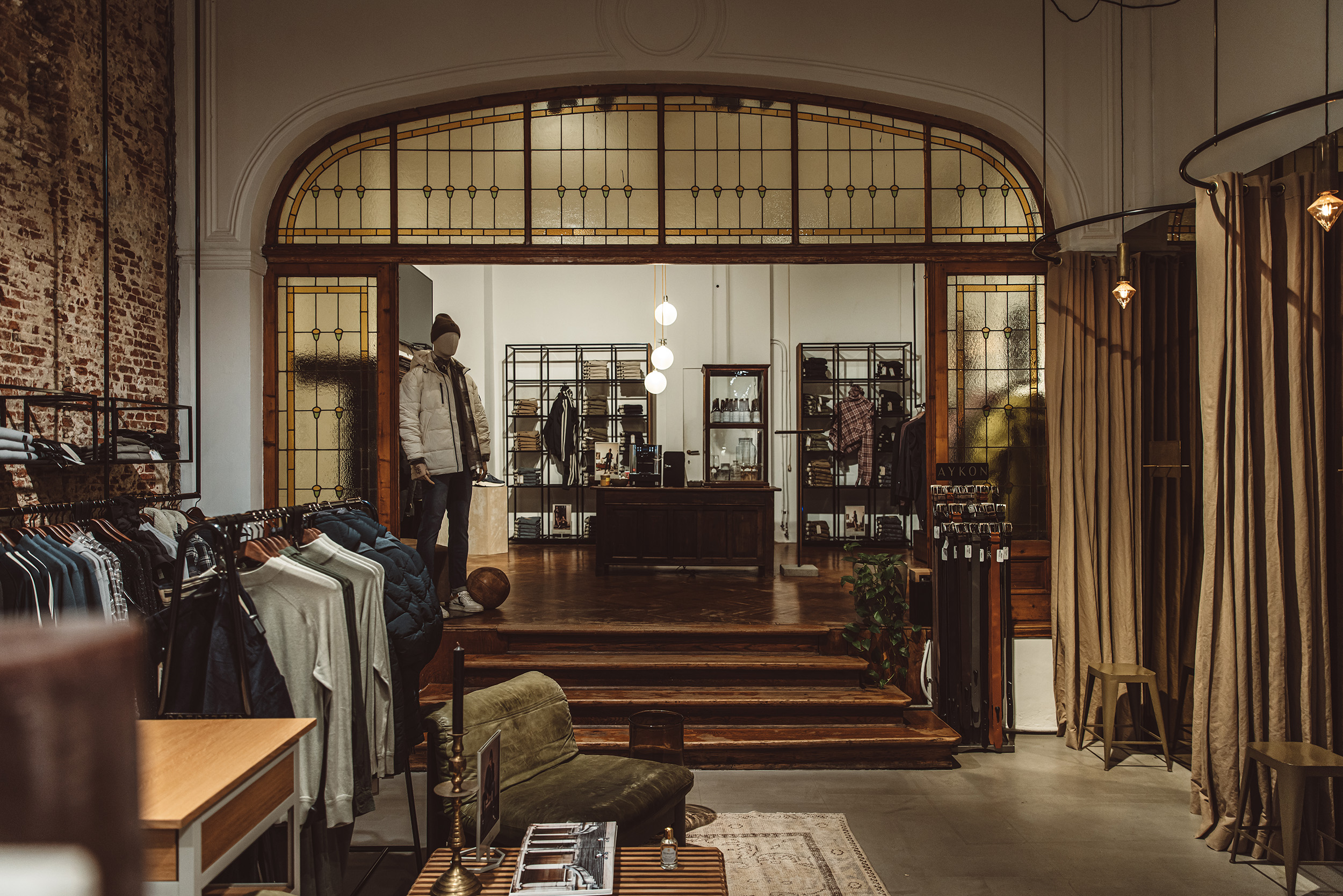
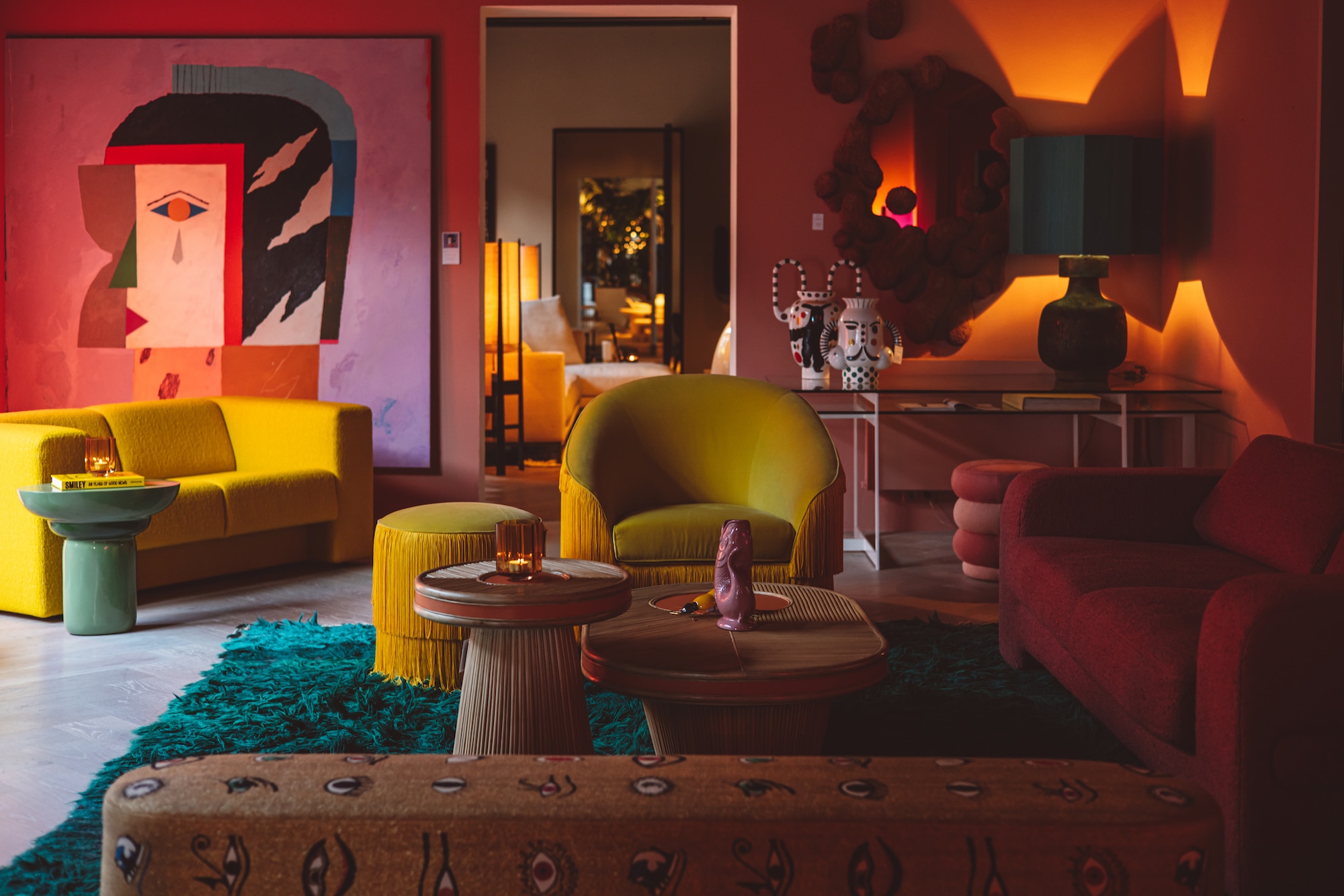
Hotels, retail flagships, showrooms, spas, residential developments, offices and hospitality groups see the clearest impact, because guests and customers experience the space physically. Any brand whose identity is partly delivered through an environment is a candidate for olfactory branding.
How long does it take to develop a signature scent?
A bespoke fragrance development typically runs from eight to sixteen weeks, depending on complexity and how many revision rounds the brief calls for. We work in clear stages — brief, olfactive direction, formulation, refinement, rollout — so you always know where the project stands.
Ready to make scent part of how people remember you?
Whether you are scenting a single flagship or rolling out a signature fragrance across a hospitality group, the path starts the same way: a conversation about the space, the brand and what you want guests to feel when they walk in.