Entrance and arrival halls
A signature fragrance that becomes part of how the institution is recognised the moment a visitor steps inside.
Industries, Culture
Nose and Partners develops fragrance experiences for museums, galleries, theatres and cultural spaces. We shape scent around the narrative of an exhibition, the character of an institution and the atmosphere a cultural space wants its visitors to remember.
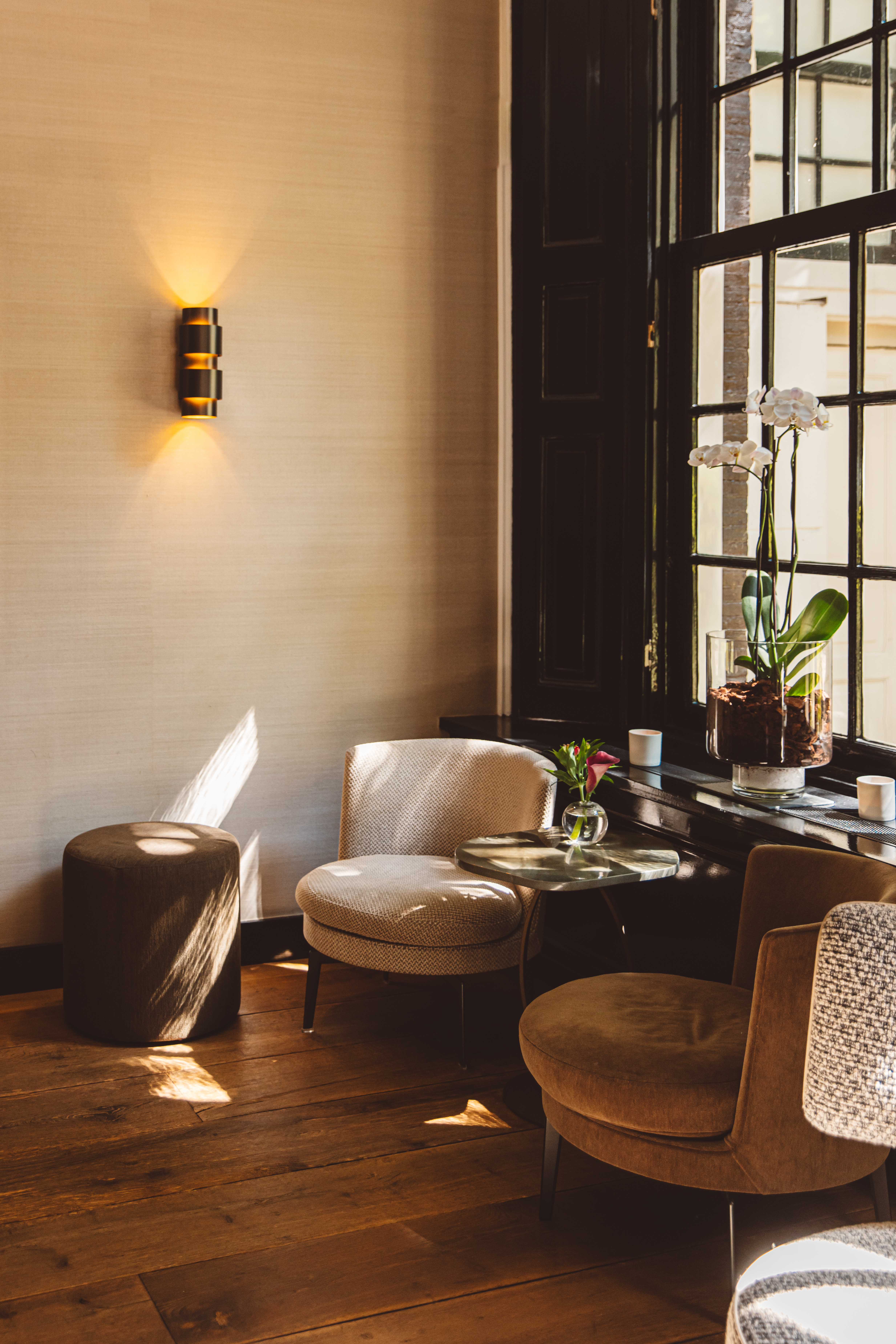
A cultural visit is shaped by architecture, light, sound, pace and the choreography of a curator. Scent is one of the few senses that can place a visitor inside a story, a period, a landscape, a memory, without a single word being spoken.
When fragrance is developed with the same care as the rest of the curation, it becomes part of how an institution is felt and remembered. For permanent collections, it can be part of the identity of the space. For exhibitions, it can deepen a specific narrative, a single room or a temporary moment.
Cultural fragrance often plays on two levels. The institution itself, its entrance, its café, its restaurant, its halls, can carry a quiet signature that becomes part of how the place is recognised over time. Within that, individual exhibitions can use fragrance more expressively, supporting a curatorial concept or a specific moment in the visitor flow.
We work with curators, scenographers and exhibition designers to find the right balance, a fragrance language that feels considered, never theatrical, and that respects both the institution and the works on display.
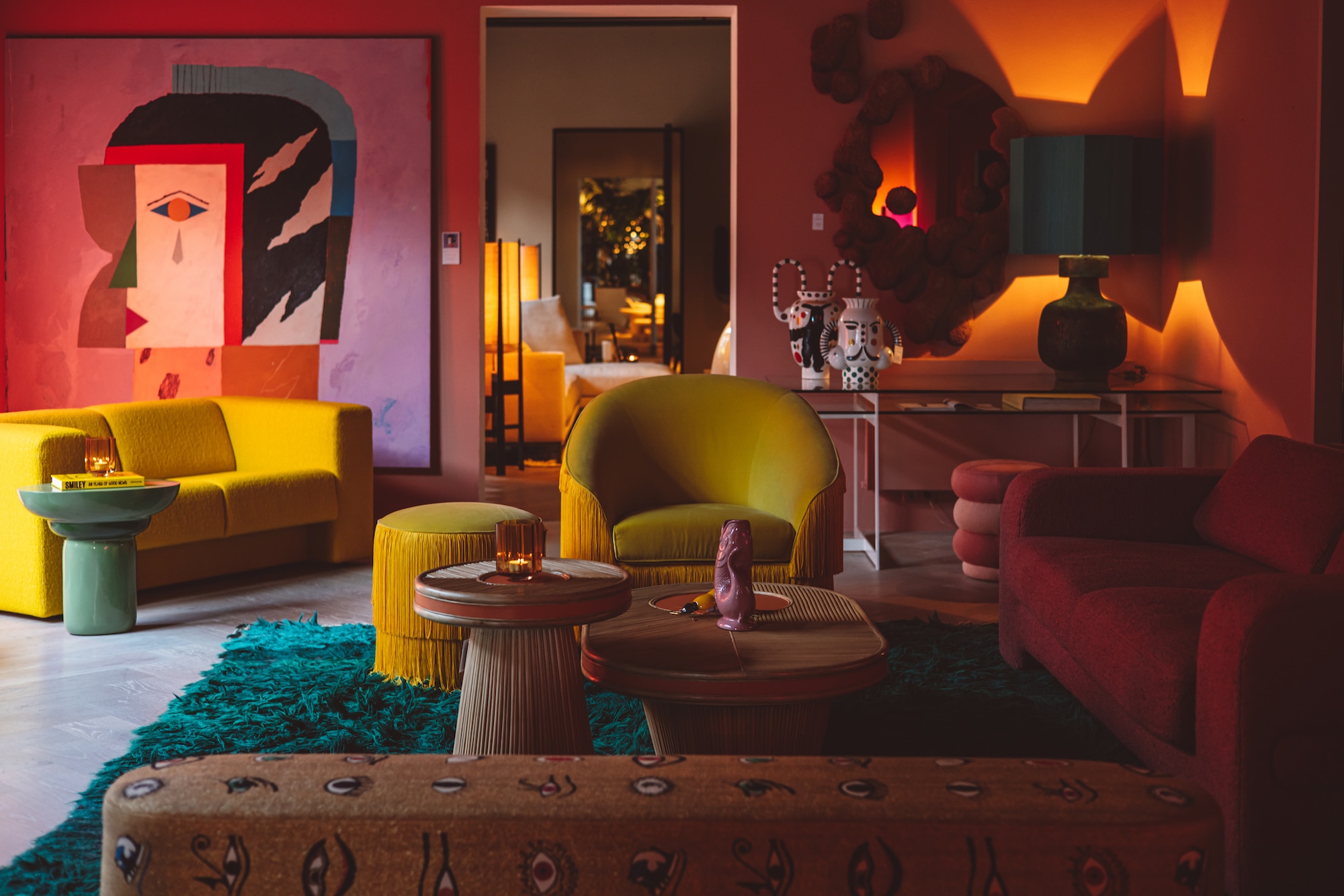

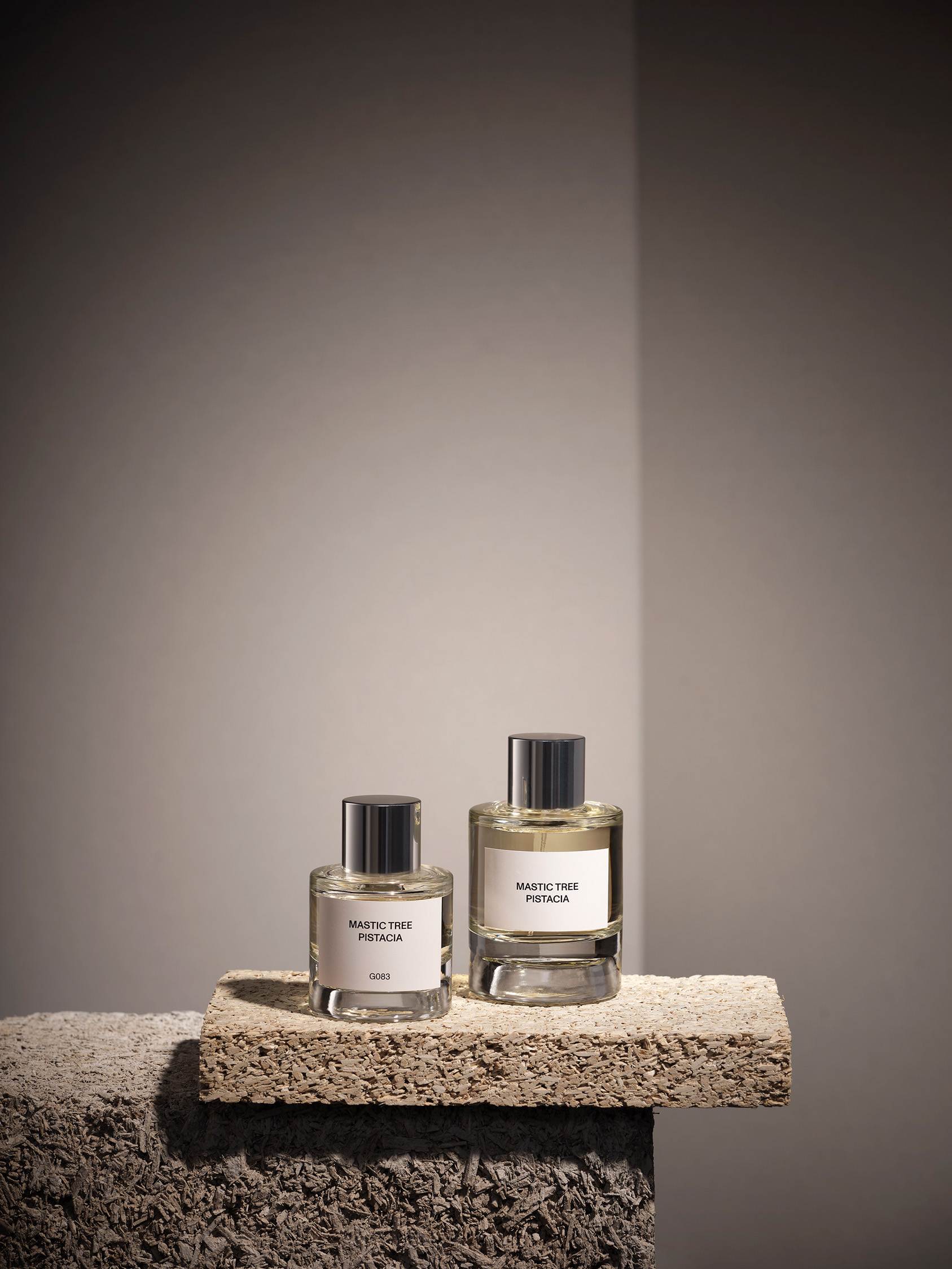
Scent can be considered across the institution and inside the exhibition. The right approach depends on the building, the collection, the programme and the role fragrance should play in the visitor flow.
A signature fragrance that becomes part of how the institution is recognised the moment a visitor steps inside.
Scenting that supports the atmosphere of long-standing galleries and the identity of the institution.
Fragrance developed around the narrative of an exhibition, a single room or a curatorial concept.
Scenting that supports hospitality and complements the cultural environment without competing with food.
Fragrance for foyers, lounges and intermission spaces that supports the rhythm of an evening.
Branded home fragrance, candles or fine fragrance that allow visitors to take the institution or exhibition home.
For cultural projects, the route depends on whether fragrance is meant to express the identity of the institution, deepen a specific exhibition, or extend into products visitors can take home. We advise whether the fragrance should come from our Scent Library, be developed bespoke or be created for private label products. For spatial use, we then define how the chosen fragrance should be diffused across halls, galleries and supporting spaces.
Route 01
Compositions selected around the identity of an institution or the concept of an exhibition.
See the Scent LibraryRoute 02
A custom fragrance developed around an institution, an exhibition concept or a curatorial narrative.
See bespoke fragrance creationRoute 03
Professional scent diffusion for halls, galleries, exhibition rooms, foyers and supporting spaces.
See Scent your spaceRoute 04
Translate the fragrance into branded home fragrance, candles or fine fragrance for the museum shop and special editions.
See private labelEvery cultural project has its own language, narrative and audience. Our process helps define where fragrance can deepen the experience without overpowering the works, the architecture or the curatorial intent.
01
We begin with the institution, the collection or the exhibition concept, the architecture and the way visitors move through the space.
02
We advise whether the project is best served by the Scent Library, bespoke fragrance, private label products or a combination of routes.
03
We select a fitting composition or develop a bespoke fragrance around the narrative of the institution or the exhibition.
04
We define placement, intensity and timing per space, with respect for conservation requirements, ventilation and the visitor flow.
05
Where relevant, the fragrance can be translated into branded home fragrance, candles or fine fragrance for the museum shop or special editions.
06
We refine the scent experience across exhibitions and seasons, so the fragrance language evolves with the cultural programme.
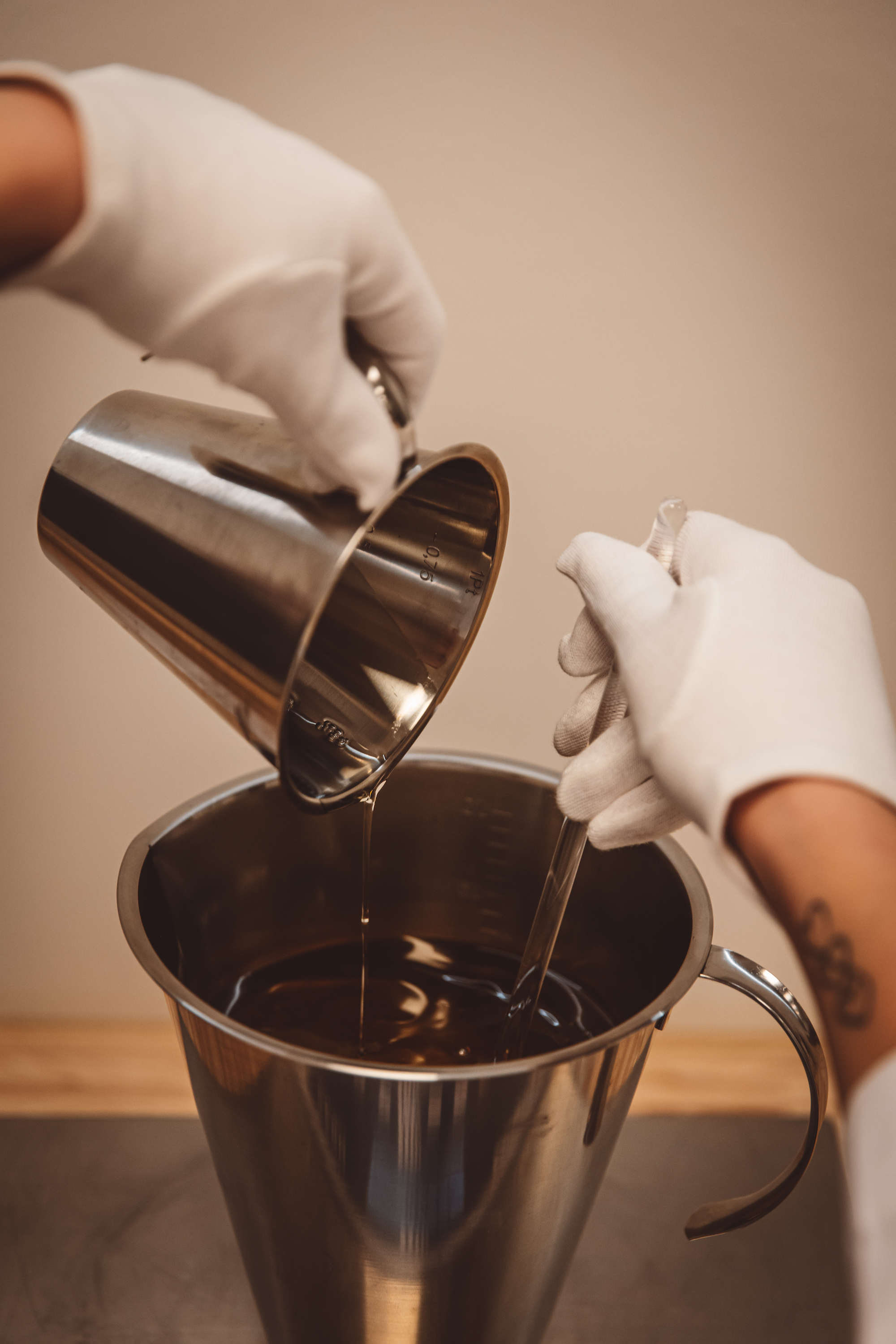
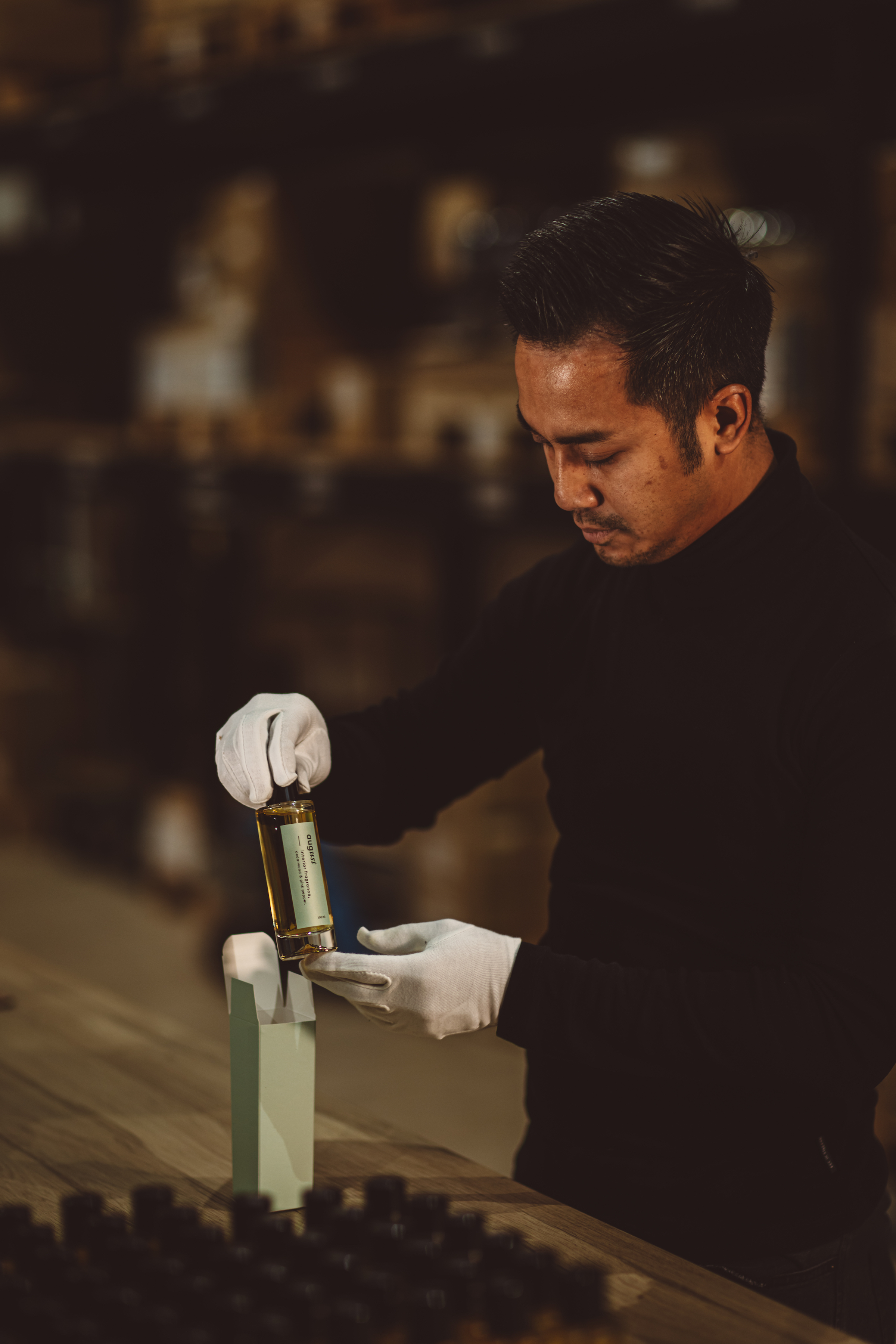
Case Study
Cultural fragrance projects are shaped around the institution, the curatorial intent and the visitor experience. We are happy to share relevant references on request, in line with the confidentiality of each project.
For cultural projects, references are shared in conversation, with consideration for the institution, the programme and any embargoed exhibitions.
Culture · Scent your space · Bespoke Fragrance
Request a relevant referenceWe work with cultural institutions that treat fragrance as part of how a space and a story are experienced.
The professional use of fragrance in museums, galleries, theatres and cultural spaces, developed to support the identity of an institution or the narrative of an exhibition.
Yes, with care. We work with diffusion setups, placement and intensity that respect conservation requirements and the integrity of the works on display.
Yes. Temporary exhibitions can have a dedicated bespoke fragrance, developed around the curatorial concept and the spaces in which it is shown.
Not necessarily. Many cultural projects work with a quiet institutional signature for permanent areas and more expressive fragrances for specific exhibitions.
Yes. Through private label, the fragrance of an exhibition or institution can be translated into home fragrance, candles or fine fragrance for the shop or special editions.
It should be present but balanced. The goal is a fragrance experience that supports the cultural moment without competing with works, architecture or the curatorial intent.
Yes. For foyers, lounges and intermission spaces, fragrance can support the rhythm of an evening and the identity of the venue, while staying outside the auditorium.
Yes. We can help you experience the quality and character of our compositions. For cultural projects, we first learn more about the institution and the programme, so the sample selection is relevant.